History

Post-WWII – George Sollitt Construction's Expansion in Chicago

Blog Img

Post-WWII – George Sollitt Construction's Expansion in Chicago

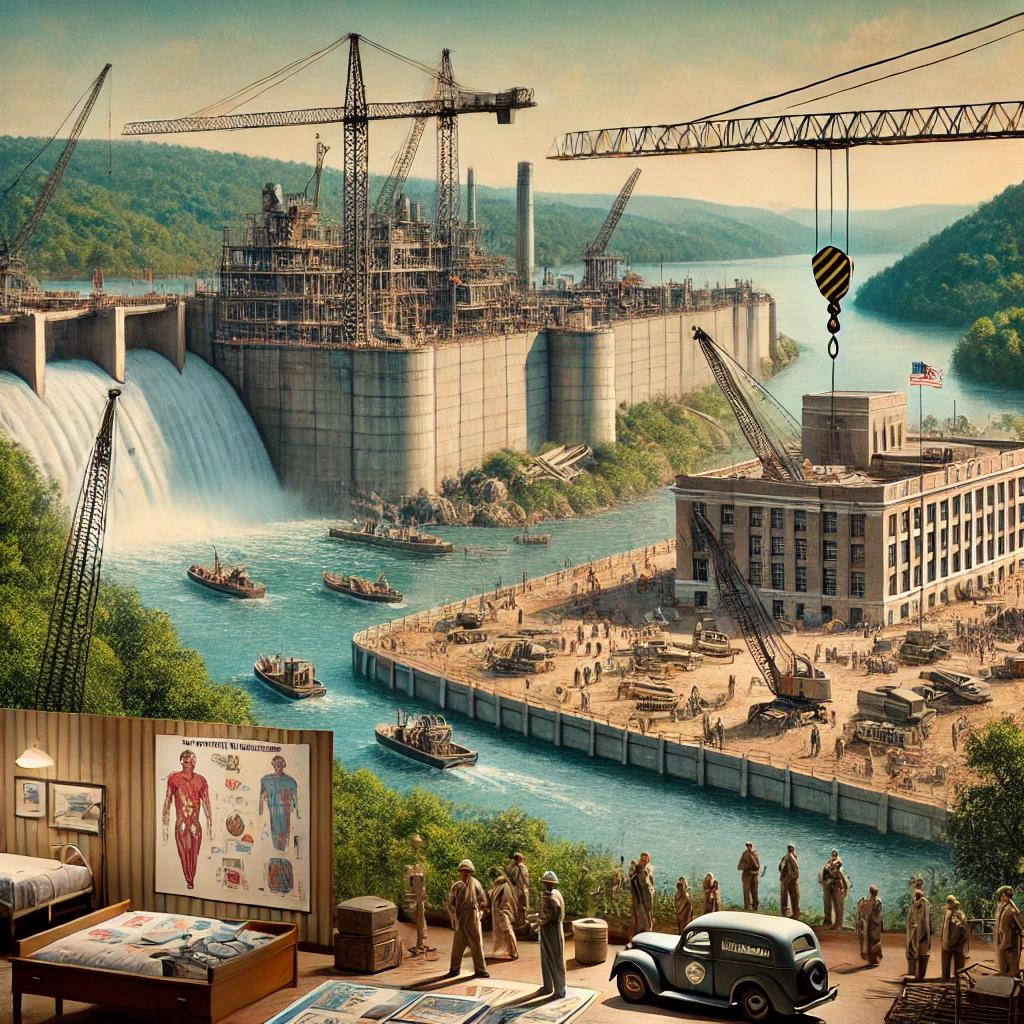
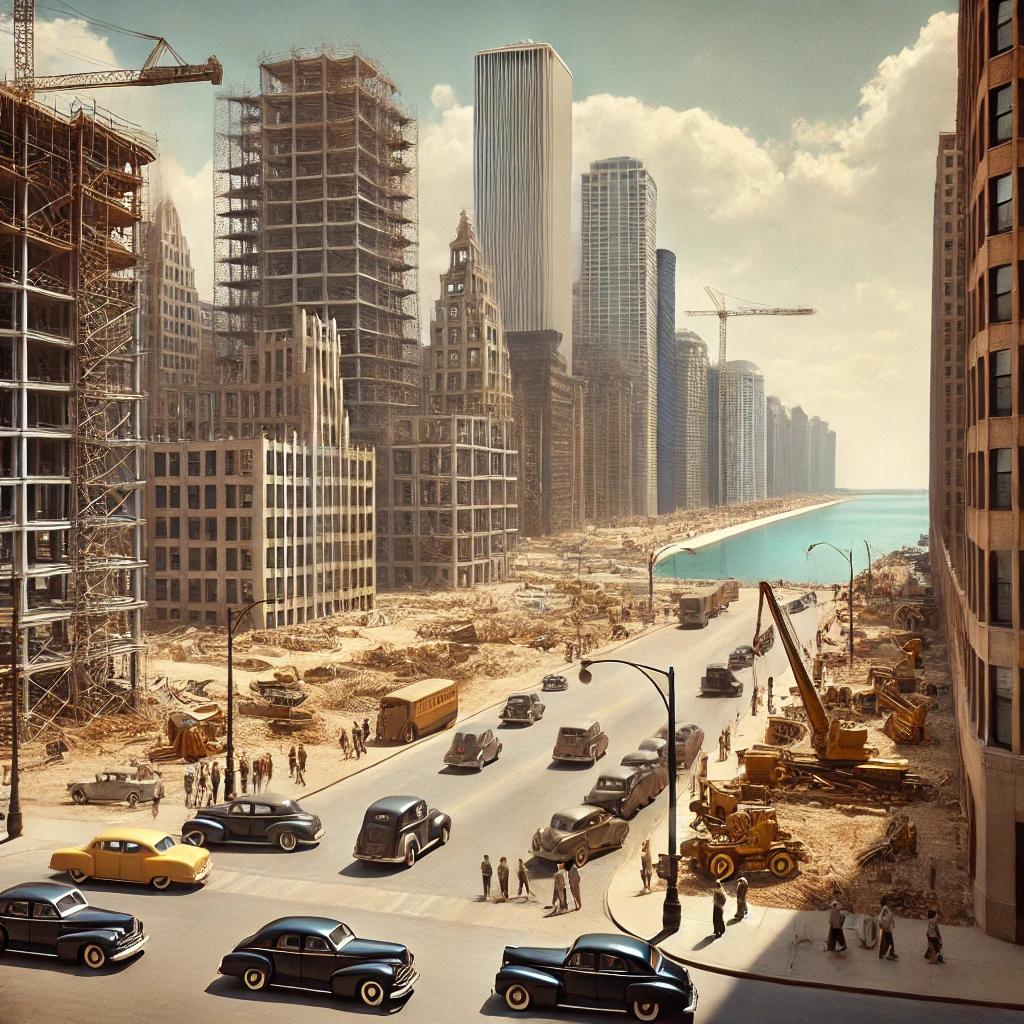
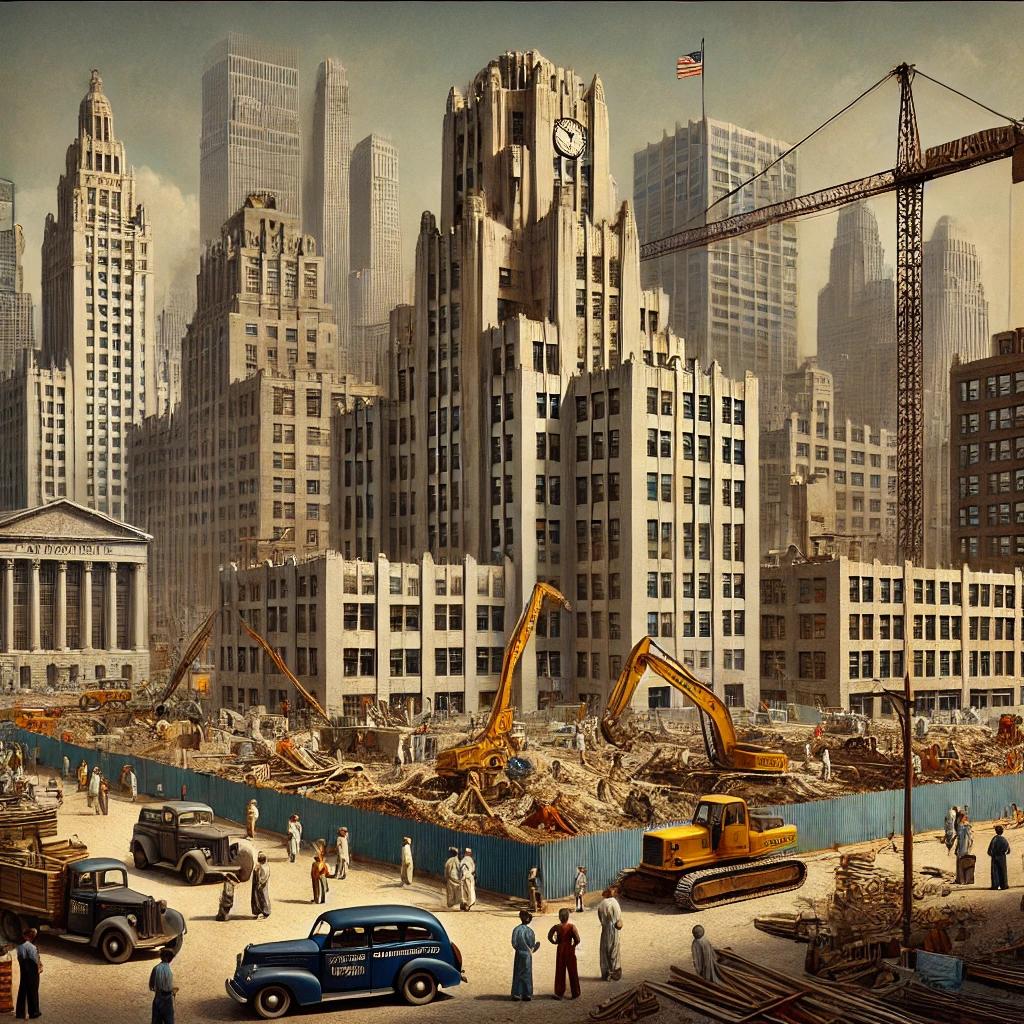
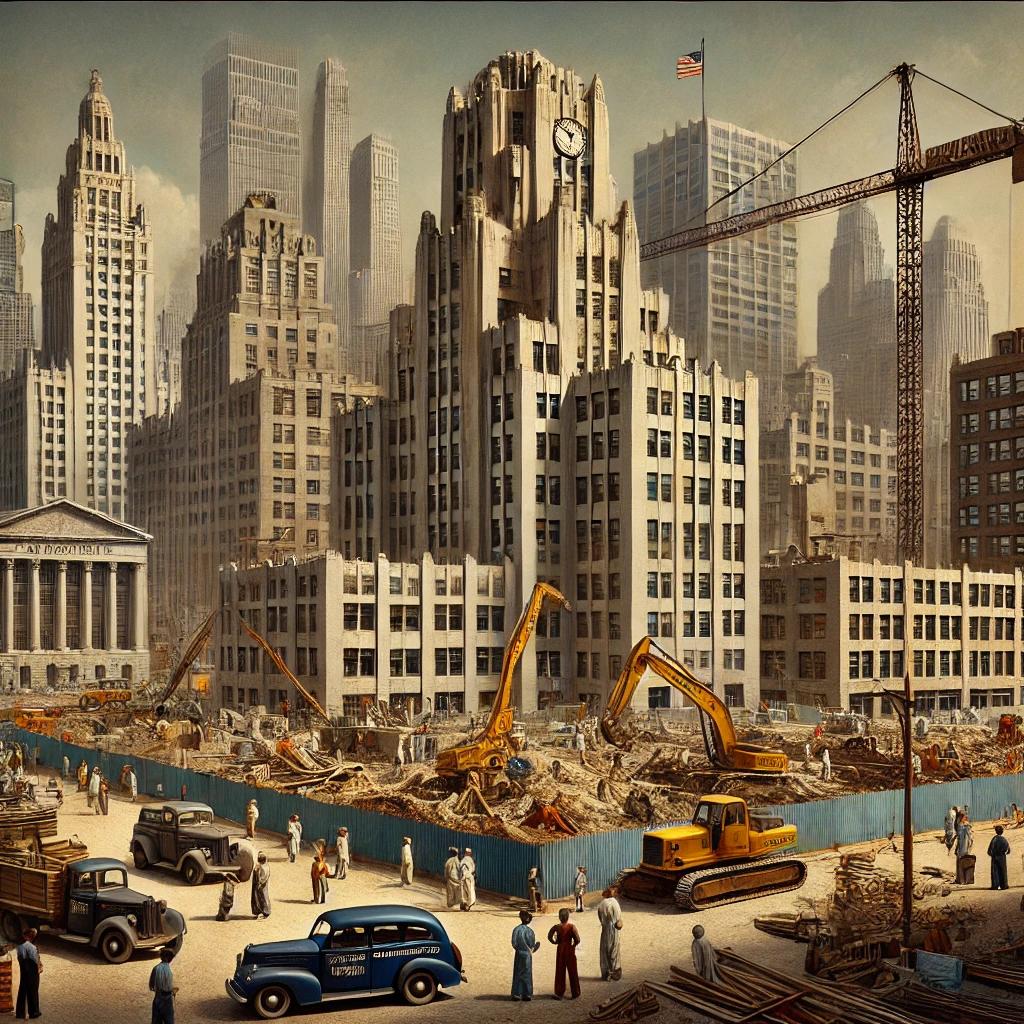
In the aftermath of World War II, George Sollitt Construction significantly contributed to Chicago's urban development, focusing on institutional buildings, corporate headquarters, and healthcare facilities. Their projects during this period played a crucial role in shaping the city's modern landscape.
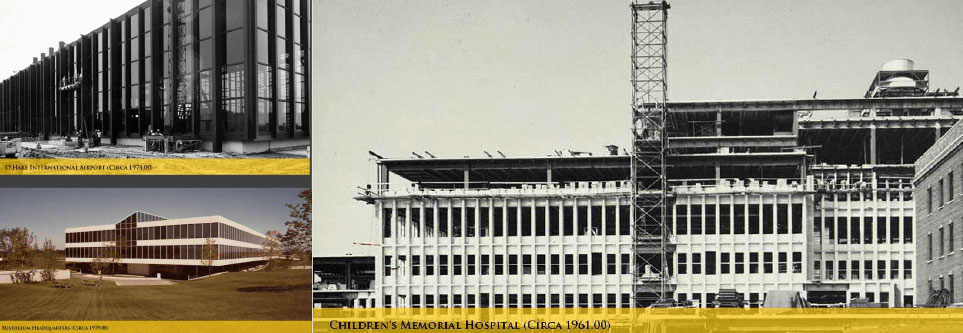
Key Projects and Contributions

  • Institutional Buildings: The company was involved in constructing educational facilities, enhancing the city's educational infrastructure.
  • Corporate Headquarters: They built modern corporate offices, supporting Chicago's growing business community.
  • Healthcare Facilities: Their work included healthcare projects, contributing to the city's medical infrastructure.

Adaptation and Innovation

Post-WWII, George Sollitt Construction embraced new construction techniques and materials, such as reinforced concrete and steel frameworks, to meet the evolving demands of urban development. This adaptability ensured the durability and modernity of their projects.

Brief Summary

Following World War II, George Sollitt Construction played a pivotal role in Chicago's urban expansion by focusing on institutional, corporate, and healthcare projects. Their innovative approaches and commitment to quality solidified their reputation as a leading construction firm during this transformative era.

Links to Learn More

  1. Post-WWII Economic Boom
  2. Chicago's Architectural Evolution
  3. Advancements in Healthcare Architecture

Visiting Related Historical Sites

1. Chicago Architecture Center

  • What to See: Exhibits and tours showcasing mid-20th-century institutional and corporate buildings constructed during the post-war period.
  • Website: Chicago Architecture Center

2. Museum of Science and Industry (Chicago, IL)

"Building the future requires honoring the past while embracing the innovations of tomorrow."
HISTORY

Explore More Of Our History

view our historic timeline