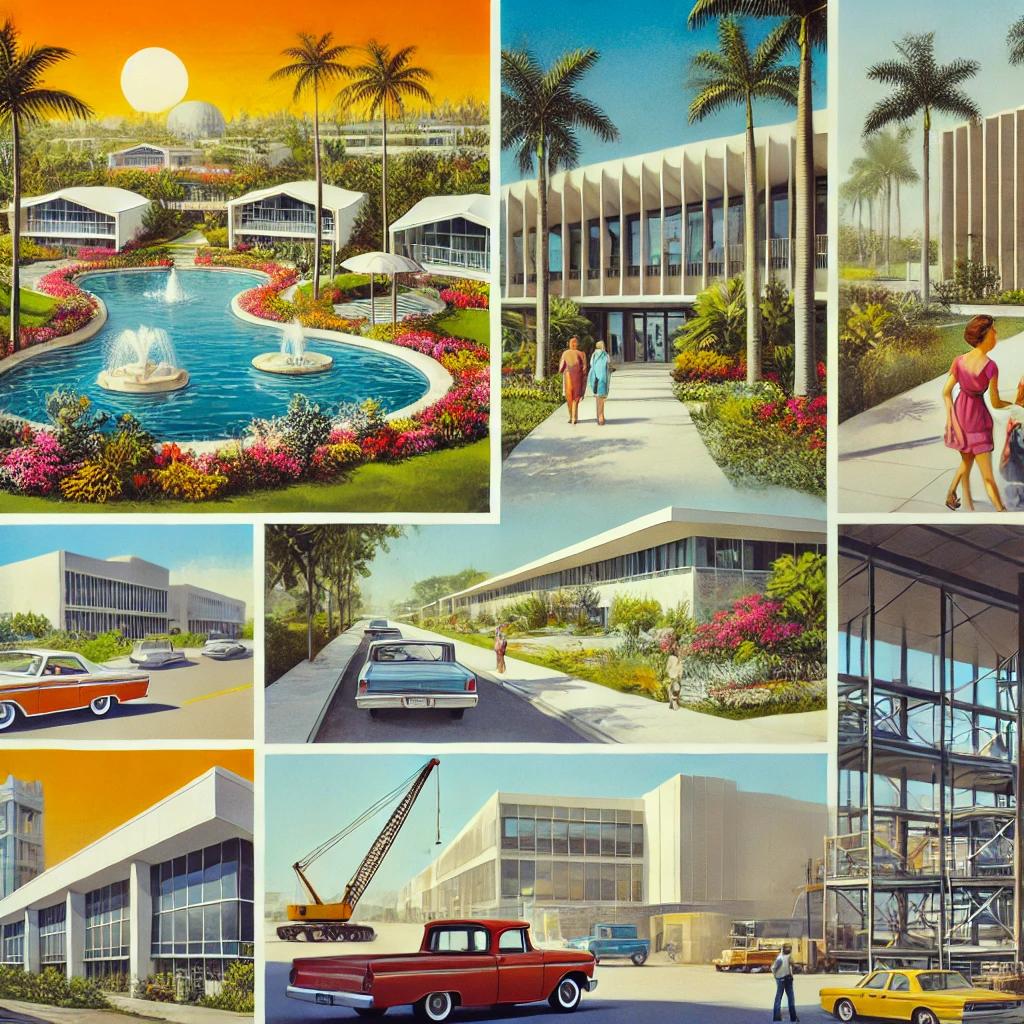
In the years following World War II, Sumner Sollitt Construction transitioned under the leadership of Sumner Sollitt Jr., who steered the company into a new era of ambitious projects and international ventures. The post-war boom in the United States offered unprecedented opportunities for construction, and Sumner Sollitt Jr. leveraged this momentum to expand the company’s reach, reputation, and expertise.


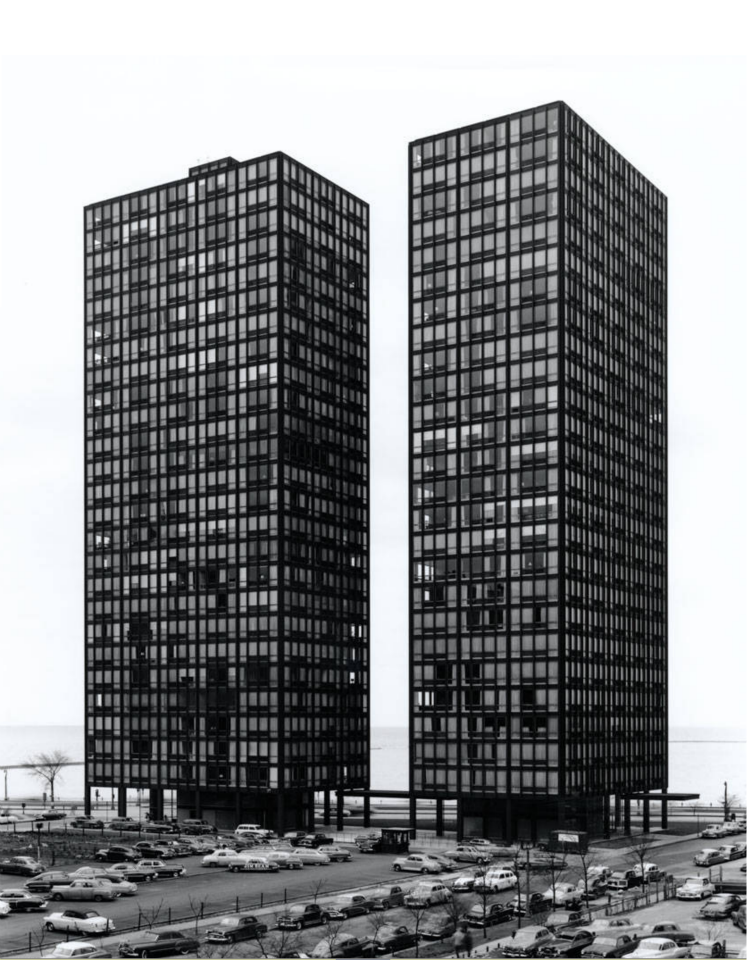
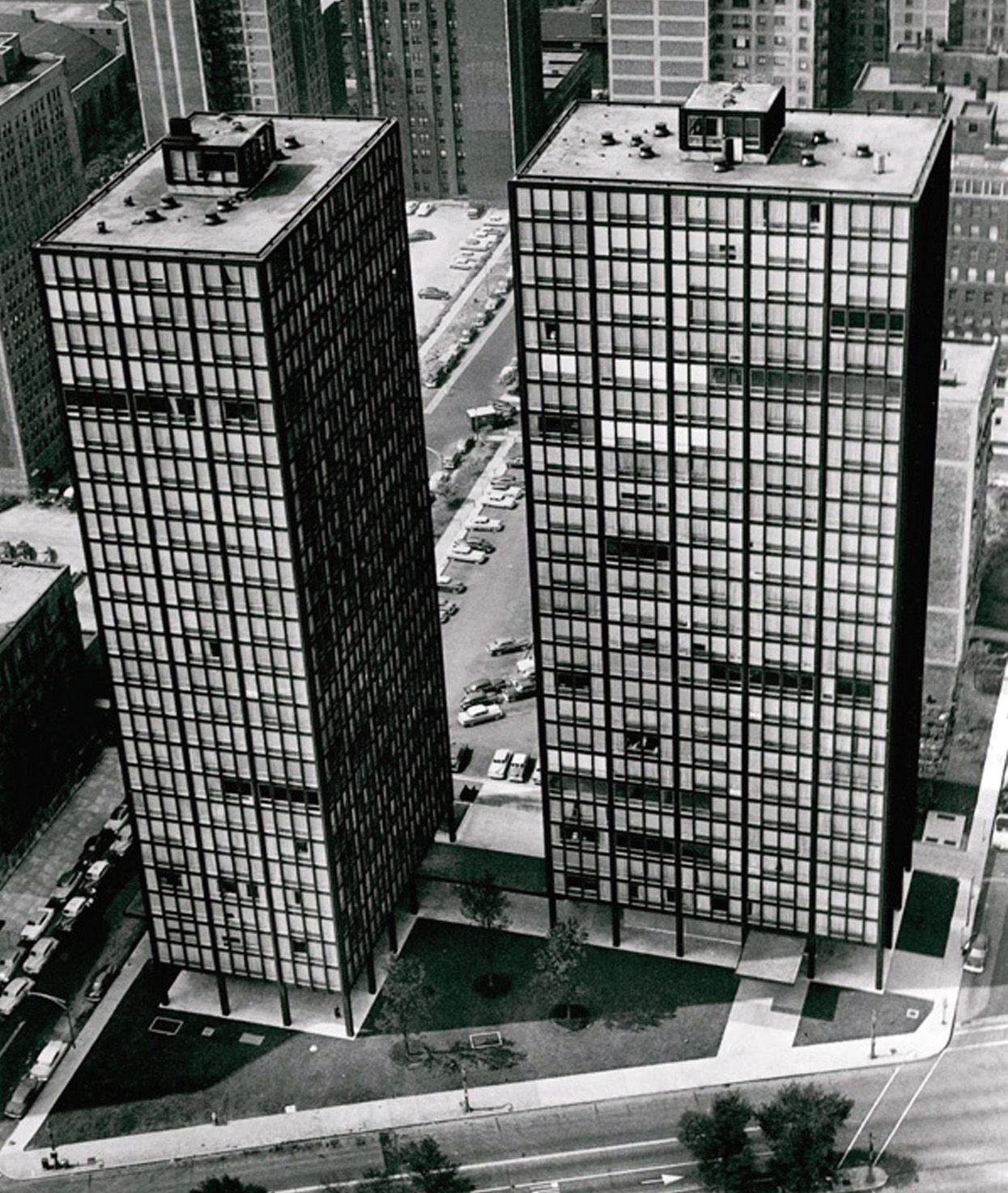

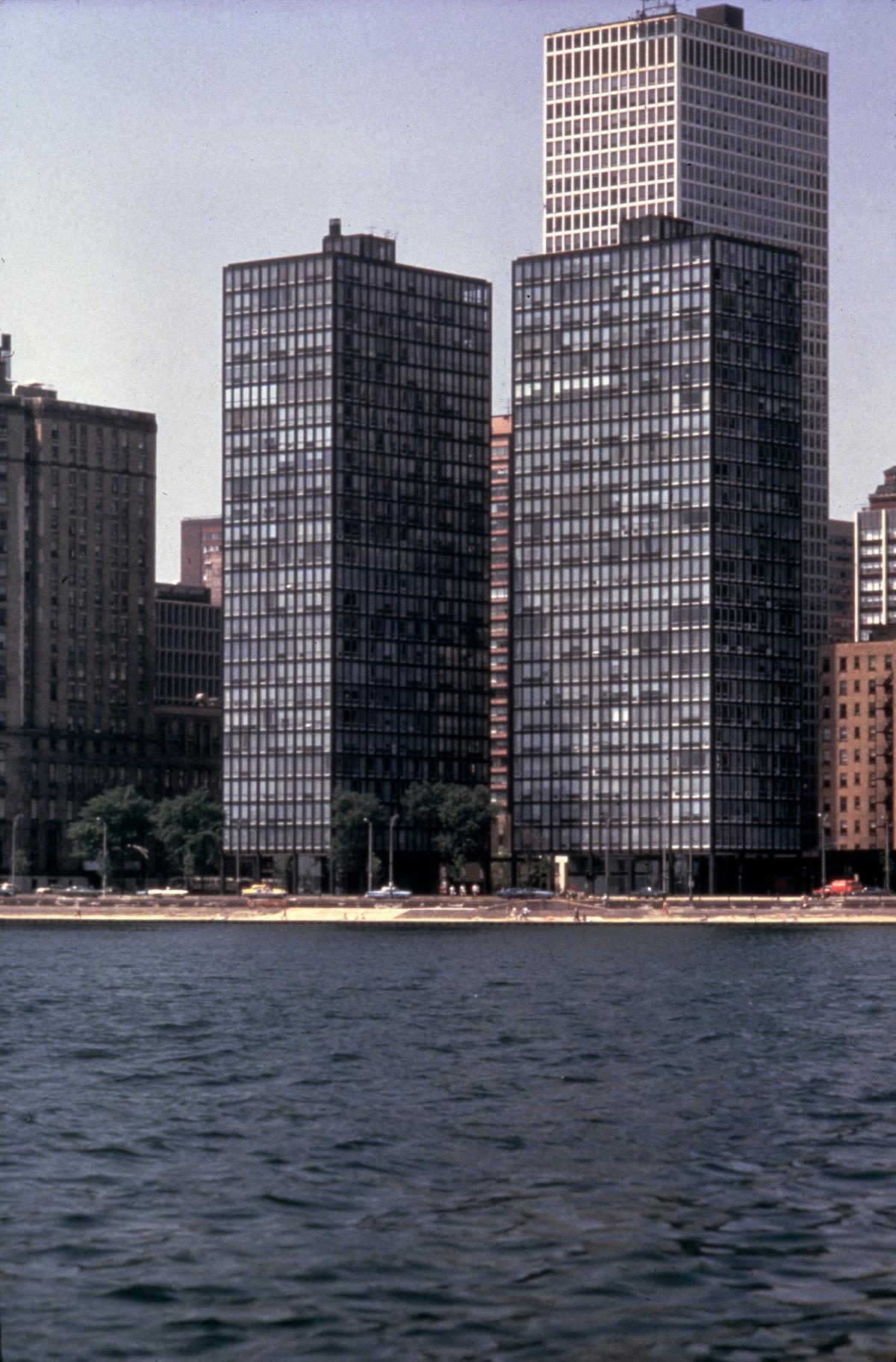


One of the hallmark projects of this period was the Mies van der Rohe-designed skyscraper apartment complex on Chicago’s iconic Lake Shore Drive. These modernist high-rises, completed in the late 1940s and early 1950s, became a symbol of Chicago’s architectural innovation. Designed with clean lines, expansive glass facades, and open interiors, they epitomized the Bauhaus principles of functionality and simplicity.
Sumner Sollitt Jr.’s role in bringing this vision to life highlighted the firm’s growing expertise in developer-led projects and complex, high-profile builds.
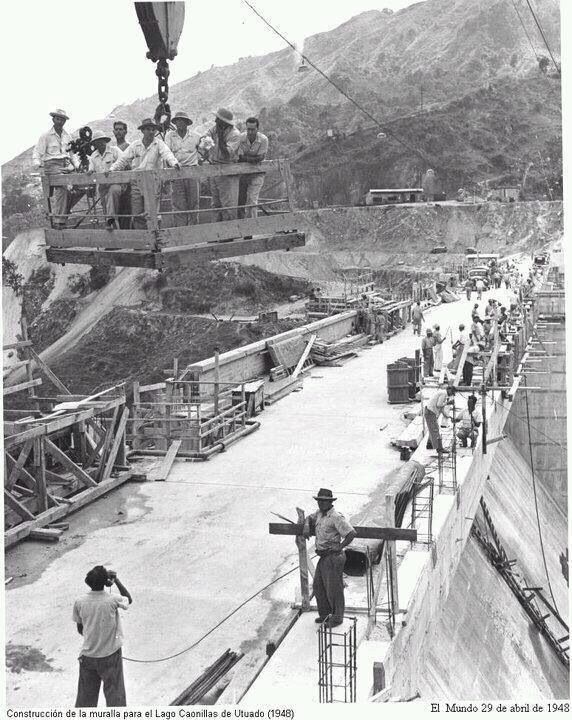
As the U.S. sought to support infrastructure development in its territories, Sumner Sollitt Construction expanded internationally. The company took on significant projects in Puerto Rico, constructing dams and highways that supported the island’s economic growth and modernization. These infrastructure projects not only showcased the firm's ability to adapt to diverse environments but also marked its emergence as a global construction leader.
Beyond skyscrapers and infrastructure, Sumner Sollitt Jr. also pursued a passion for building sacred spaces. The firm became known for constructing high-end churches for various denominations. These projects demonstrated a commitment to architectural excellence and collaboration with communities of faith, blending artistry with function to create places of worship that endure as landmarks.
The post-war era was a time of immense growth and transformation in Chicago and beyond. Key historical events and developments that shaped this period include:
To learn more about these historical contexts, visit:
Sumner Sollitt Jr.’s leadership during the post-war years laid the groundwork for Sollitt Construction’s enduring success. By embracing modern architecture, expanding internationally, and building spaces of worship, the company cemented its reputation as a forward-thinking builder.
After World War II, Sumner Sollitt Construction, under the leadership of Sumner Sollitt Jr., expanded its influence through groundbreaking projects in Chicago and internationally. The company contributed to Chicago's architectural legacy by building the Mies van der Rohe-designed Lake Shore Drive skyscrapers, which became icons of mid-century modernist design. It also ventured into Puerto Rico, constructing critical infrastructure such as dams and highways, marking its entry into global markets. Additionally, the firm became known for building high-end churches for various denominations, blending craftsmanship with artistry. This period reflected Sollitt’s innovation and adaptability during a time of rapid growth and transformation.
“A builder’s work is a testament to their era, but great craftsmanship endures beyond time.” – Sumner Sollitt Jr.