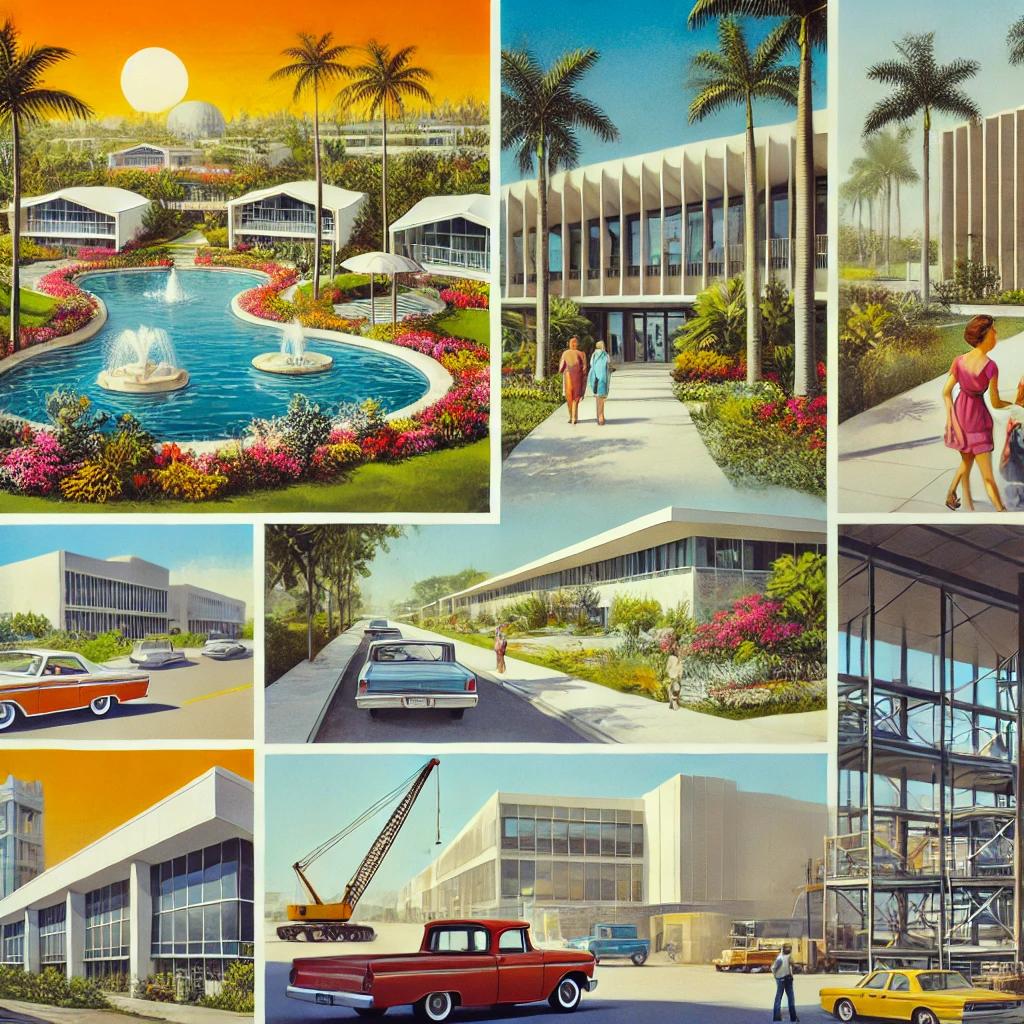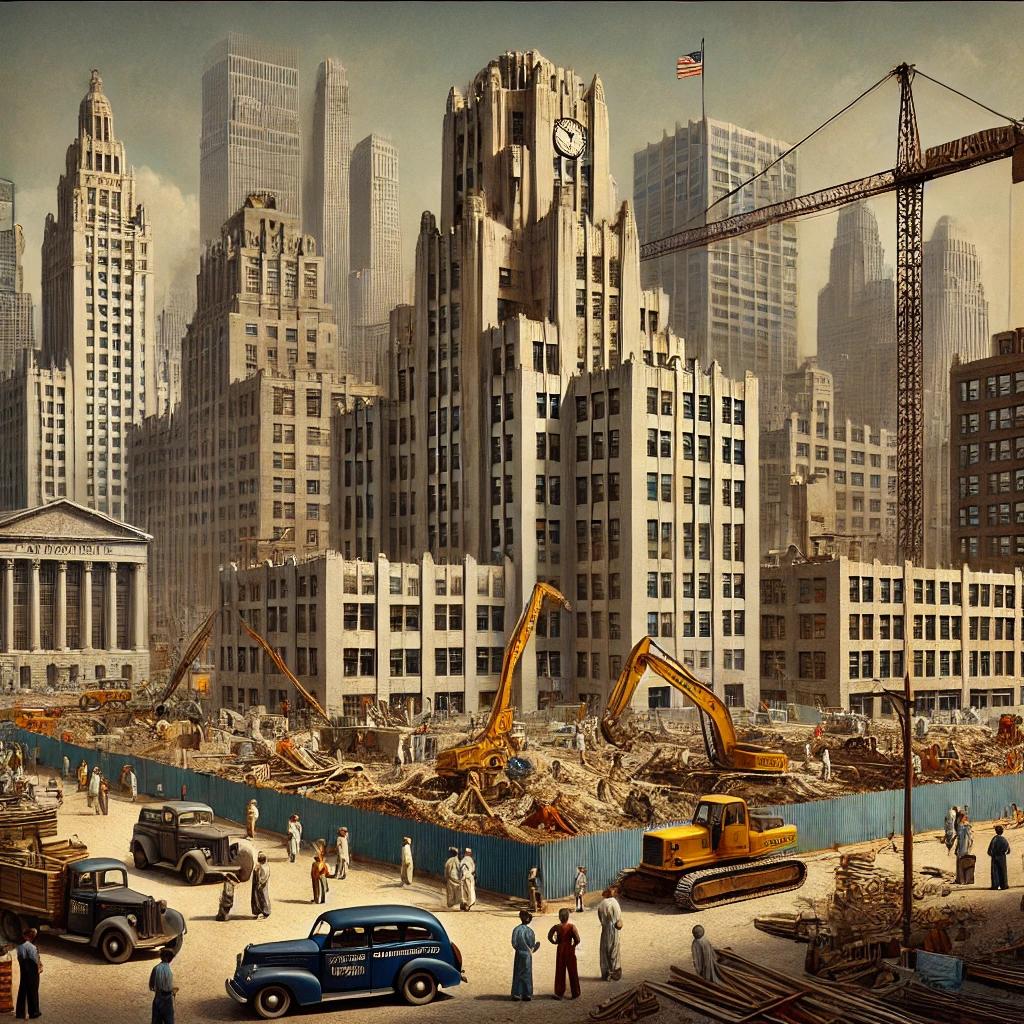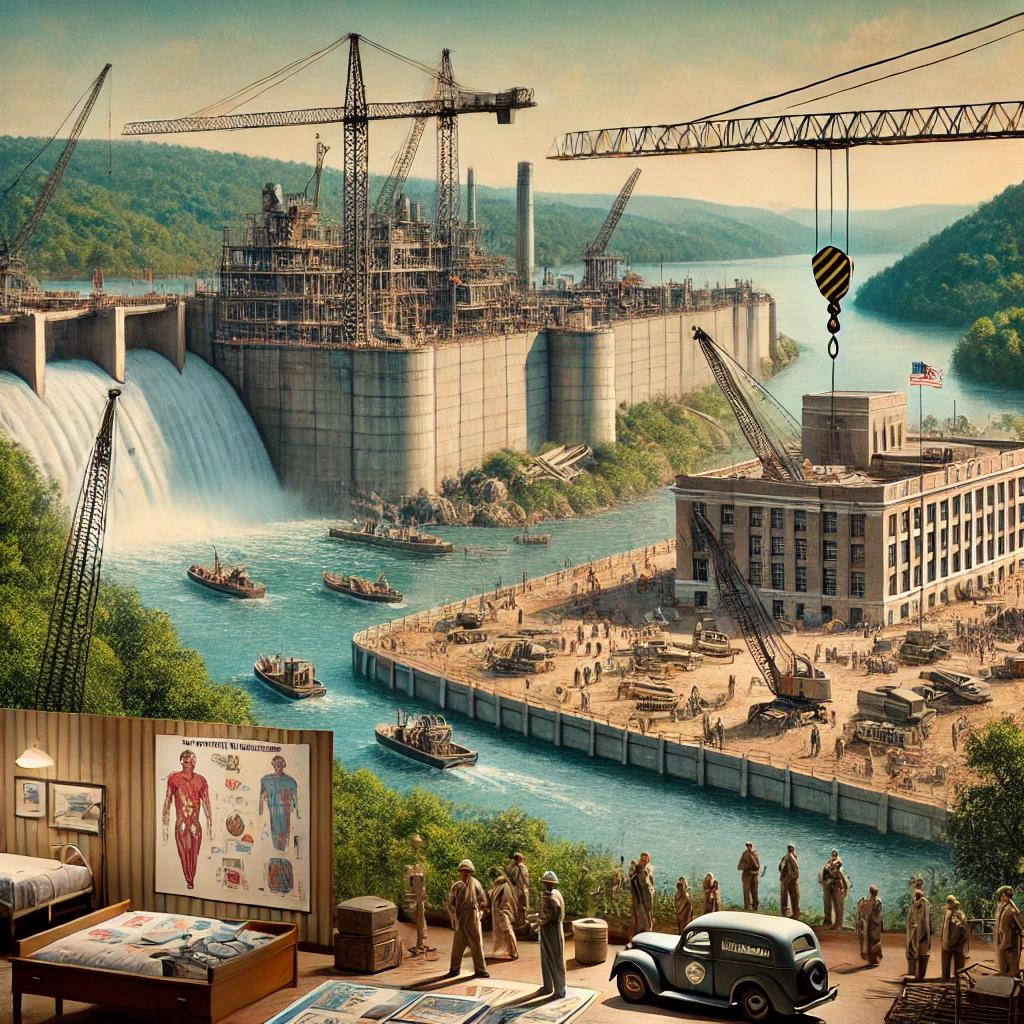
In the post-war era, Ralph S. Sollitt spearheaded the growth of Sollitt Construction Company, elevating it to remarkable heights. By 1951, the company’s achievements were recognized with an ENR (Engineering News-Record) ranking of #5, solidifying its position as a leader in the construction industry. Ralph's vision and determination propelled Sollitt Construction into diverse and highly specialized fields, from power generation to healthcare.
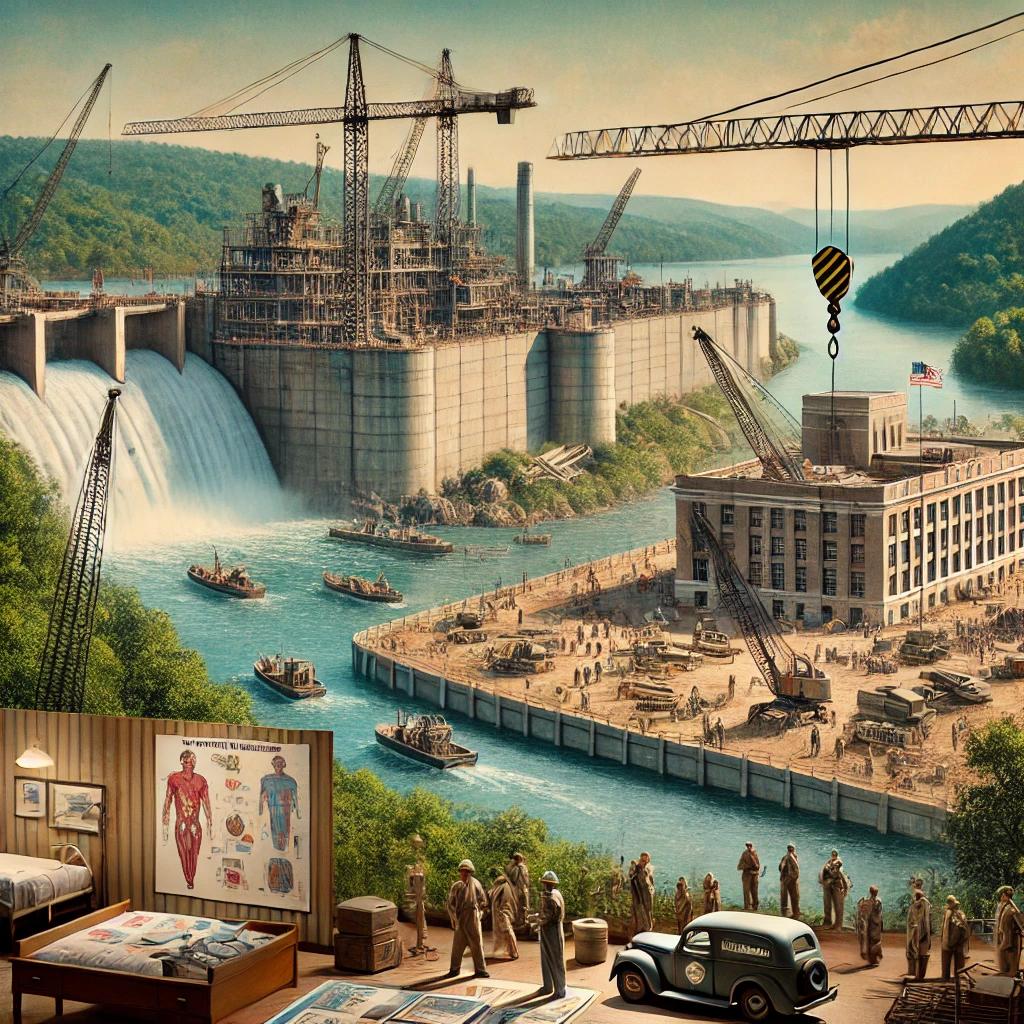


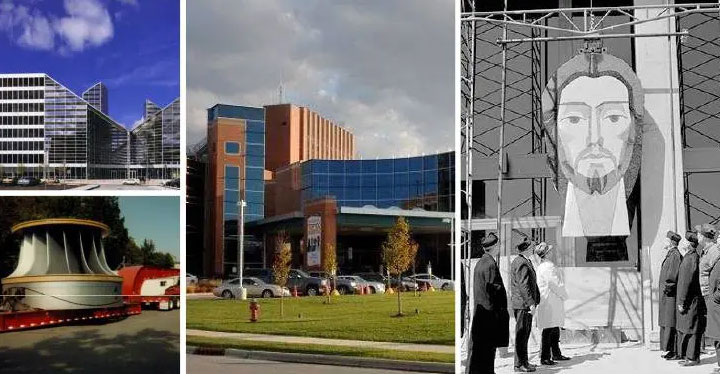
One of the company’s most significant accomplishments was constructing the largest dam east of the Mississippi River in Virginia. This engineering feat highlighted Sollitt’s capacity to tackle large-scale infrastructure projects. Ralph also expanded the company's portfolio to serve industrial giants in the automotive, aerospace, steel, and food processing sectors, establishing Sollitt Construction as a trusted name across multiple industries.
Ralph S. Sollitt’s forward-thinking approach led the company to become an early builder of nuclear power facilities. However, this promising venture faced an abrupt halt following the 1979 Three Mile Island incident, which shifted public perception and regulatory scrutiny around nuclear energy. In response to this challenge, Sollitt Construction adeptly pivoted to healthcare projects, addressing the growing demand for state-of-the-art medical facilities.
The post-war period was marked by significant industrial and societal advancements that shaped Sollitt Construction’s trajectory. Key historical events include:
To explore these historical themes further, visit:
Ralph S. Sollitt’s leadership during the post-war years exemplified adaptability and foresight. From building monumental infrastructure to navigating the challenges of the nuclear power industry, Sollitt Construction continually evolved to meet the demands of an ever-changing world.
In the post-war era, Ralph S. Sollitt led Sollitt Construction Company to new heights, achieving a prestigious #5 ENR ranking in 1951. The company tackled monumental projects like the largest dam east of the Mississippi in Virginia and expanded into industrial sectors, serving clients in automotive, aerospace, steel, and food processing. Sollitt also pioneered nuclear power plant construction but pivoted to healthcare projects following the 1979 Three Mile Island incident. This adaptability cemented Sollitt Construction's legacy as an innovative and resilient leader in the industry.
“Success in construction lies in the ability to innovate, adapt, and build not just structures, but trust.” – Ralph S. Sollitt