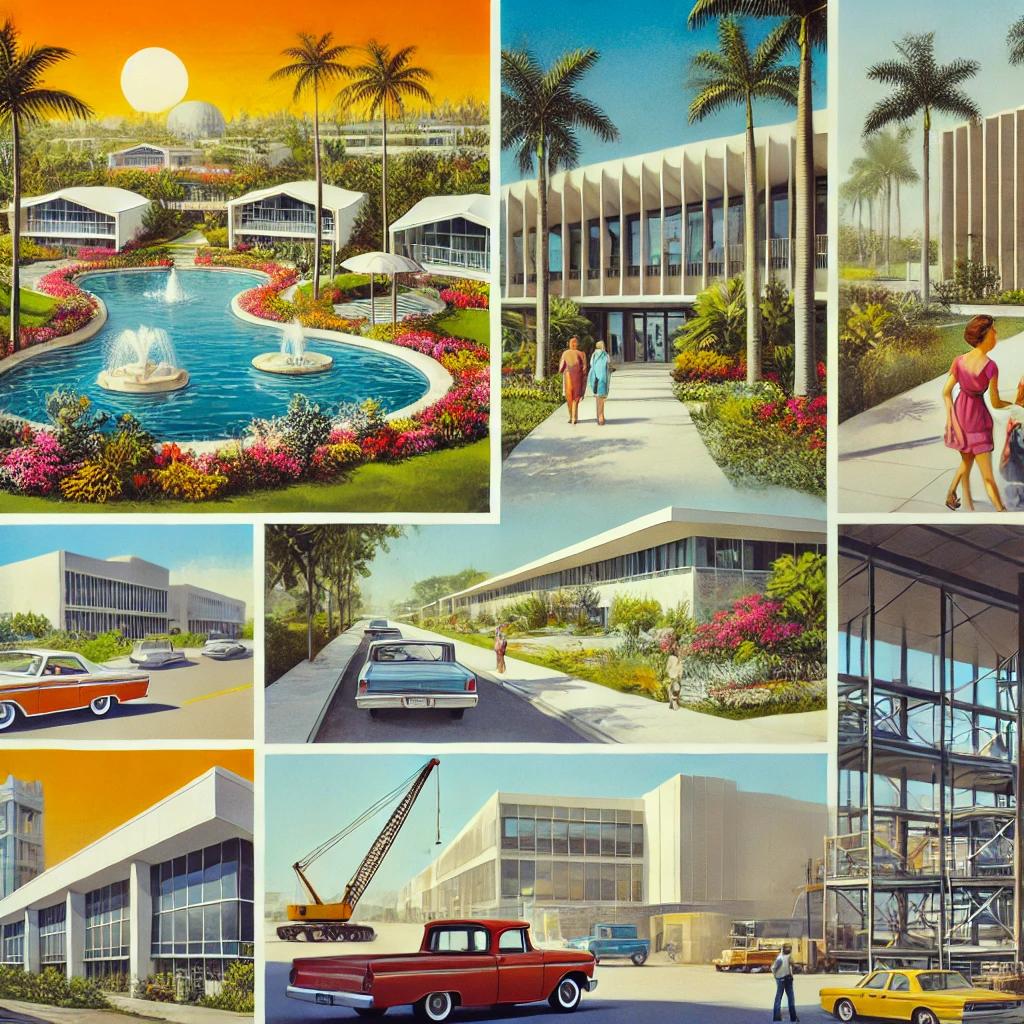
The year 1650 marked the beginning of an extraordinary family story—a story of eight generations of craftsmen and visionaries who built more than just structures. They built a legacy. Long before Sollitt Construction became the oldest construction company in Chicago, the family roots were planted in the trades of masonry, carpentry, and building. This early history, spanning centuries, laid the groundwork for a company that has not only survived but thrived for nearly two centuries.

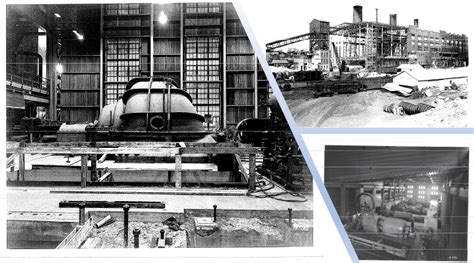

During the mid-17th century, construction was both an art and a science, often passed down through family generations. The Sollitt family first began its journey in England, where building techniques focused on traditional craftsmanship using timber framing and stone masonry.
At the time, cities across Europe were transforming, rebuilding after the devastation of wars and fires, including the English Civil War (1642–1651). It was a time of innovation and opportunity for skilled laborers, particularly in architecture and construction. Trades like bricklaying, carpentry, and stonecutting were essential to rebuilding cities, and the Sollitt family took part in this monumental task.
As artisans, the Sollitts developed a reputation for precision, craftsmanship, and an unwavering dedication to quality. These values became the foundation of their family legacy and would continue to guide the generations that followed.
For the Sollitt family, construction was more than a livelihood—it was a way of life. They worked not only as skilled laborers but also as project leaders, setting themselves apart by managing both the craft and business sides of construction. This dual role prepared them for what would later become a thriving enterprise in the United States.
By the 18th century, advancements in tools and construction techniques, including the use of standardized bricks and stronger timber framing, enhanced the efficiency of builders like the Sollitts. The Industrial Revolution in the late 1700s further revolutionized construction with the introduction of machinery such as steam-powered saws and drills. Each generation of Sollitts adapted to these changes, maintaining relevance in an ever-evolving industry.
In the early 19th century, members of the Sollitt family emigrated to America, bringing with them their expertise and passion for building. The move coincided with a booming era in American construction, as cities expanded and infrastructure projects flourished. The family found their new home in Chicago, a city on the cusp of becoming a major urban center.
What sets the Sollitt family apart is their ability to bridge the gap between tradition and innovation. The lessons passed down since 1650 have shaped a company that honors its roots while embracing modern techniques. Eight generations later, the values instilled in those early days—integrity, quality, and vision—remain at the core of Sollitt Construction’s work.
1650 was a significant period in world history:
In this global landscape of transformation, the Sollitt family began building their legacy, one structure at a time.
The story of the Sollitt family is a testament to the enduring power of craftsmanship and the importance of passing down skills and values through generations. Today, as Sollitt Construction continues to lead the industry, the legacy of those early builders lives on in every project they undertake.
The year 1650 was just the beginning. From crafting timber-framed homes in England to constructing modern marvels in Chicago, the Sollitts have shown that a dedication to excellence can withstand the test of time.
Further Reading and Resources:
Stay tuned for the next chapter in Sollitt Construction’s 186-year history as we explore how the family’s legacy evolved in the dynamic landscape of Chicago and beyond.
.jpeg)
The construction industry builds more than structures; it constructs dreams, connects communities, and shapes the world we live in.