The 1930s saw the Sollitt family once again rising to the challenges of war, as their three construction companies leveraged their strong financial positions to contribute significantly to the nation’s industrial and military infrastructure during World War II. This period highlighted the family’s adaptability and unwavering commitment to excellence.
Contributions to the War Effort
Each branch of the Sollitt family’s construction empire played a pivotal role in supporting the war:
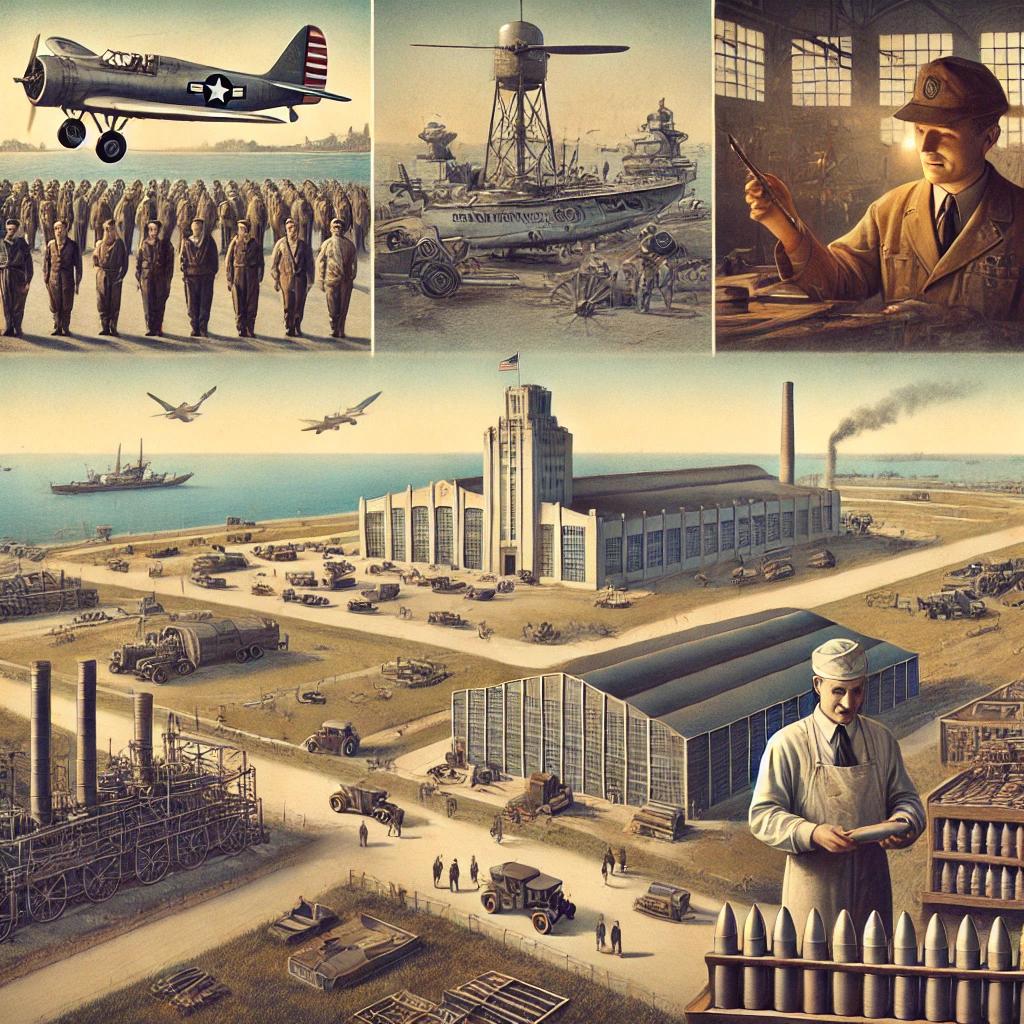
Sumner Sollitt: Constructed military training facilities, including projects at the Great Lakes Naval Station, which served as a critical training ground for Navy personnel.
George Sollitt: Focused on improving transportation networks and airfields, ensuring efficient movement of troops and supplies across the country.
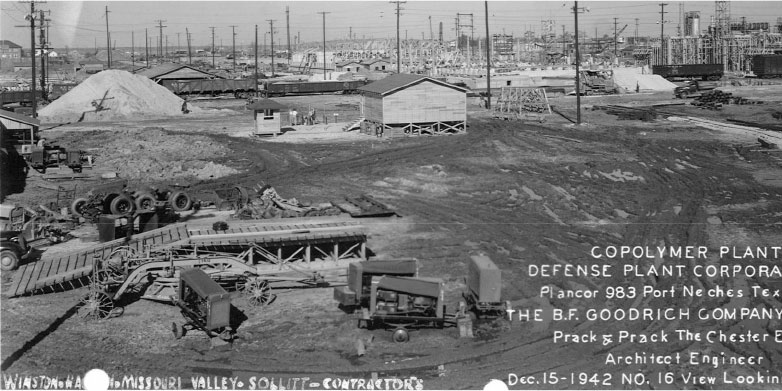
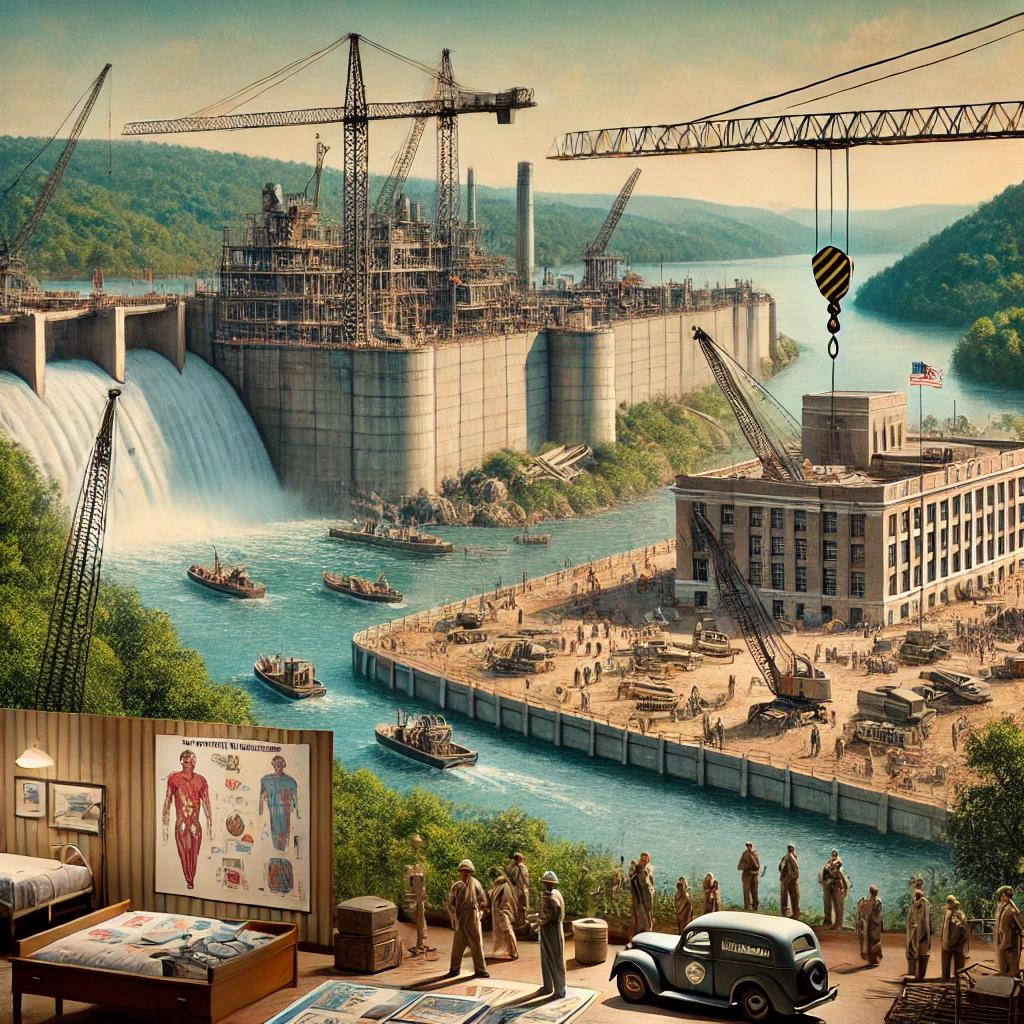
Ralph Shannon Sollitt (South Bend): Spearheaded major industrial projects, including:
Munitions Plants: Facilities that produced weapons and ammunition.
Power Generation Plants: Infrastructure to support industrial energy needs.
Steel Smelting Facilities: Essential for producing materials required for wartime equipment.
Resilience and Financial Stability
While many companies struggled during this period, the Sollitt firms thrived due to their strong financial health, innovative practices, and reputation for reliability. Their readiness positioned them as leaders in meeting the industrial demands of the war.
Brief Summary
During the 1930s, the Sollitt construction companies played a vital role in preparing the U.S. for World War II. From building training facilities and transportation networks to constructing heavy industrial plants, the family’s contributions were critical to the war effort and the nation’s infrastructure.
Links to Learn More
Great Lakes Naval Station History
Explore the history of the naval station and its role during WWII.