1929 – Sollitt's Enduring Partnership with the University of Notre Dame
1929 – Sollitt's Enduring Partnership with the University of Notre Dame
In 1929, amidst the economic challenges of the Great Depression, Sollitt Construction Company established a pivotal partnership with the University of Notre Dame. This collaboration not only sustained the company during turbulent times but also led to significant expansions and diversification into new areas of expertise.
Building a Resilient Partnership
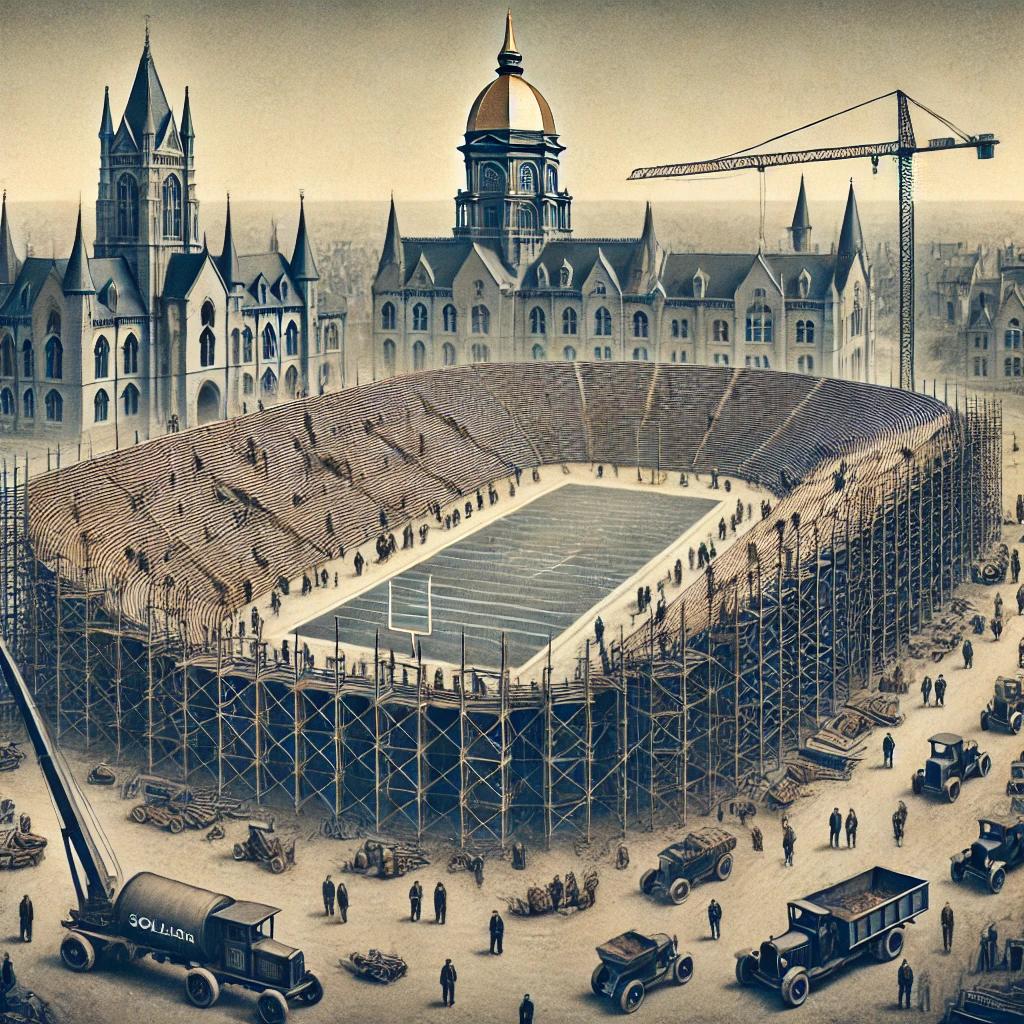
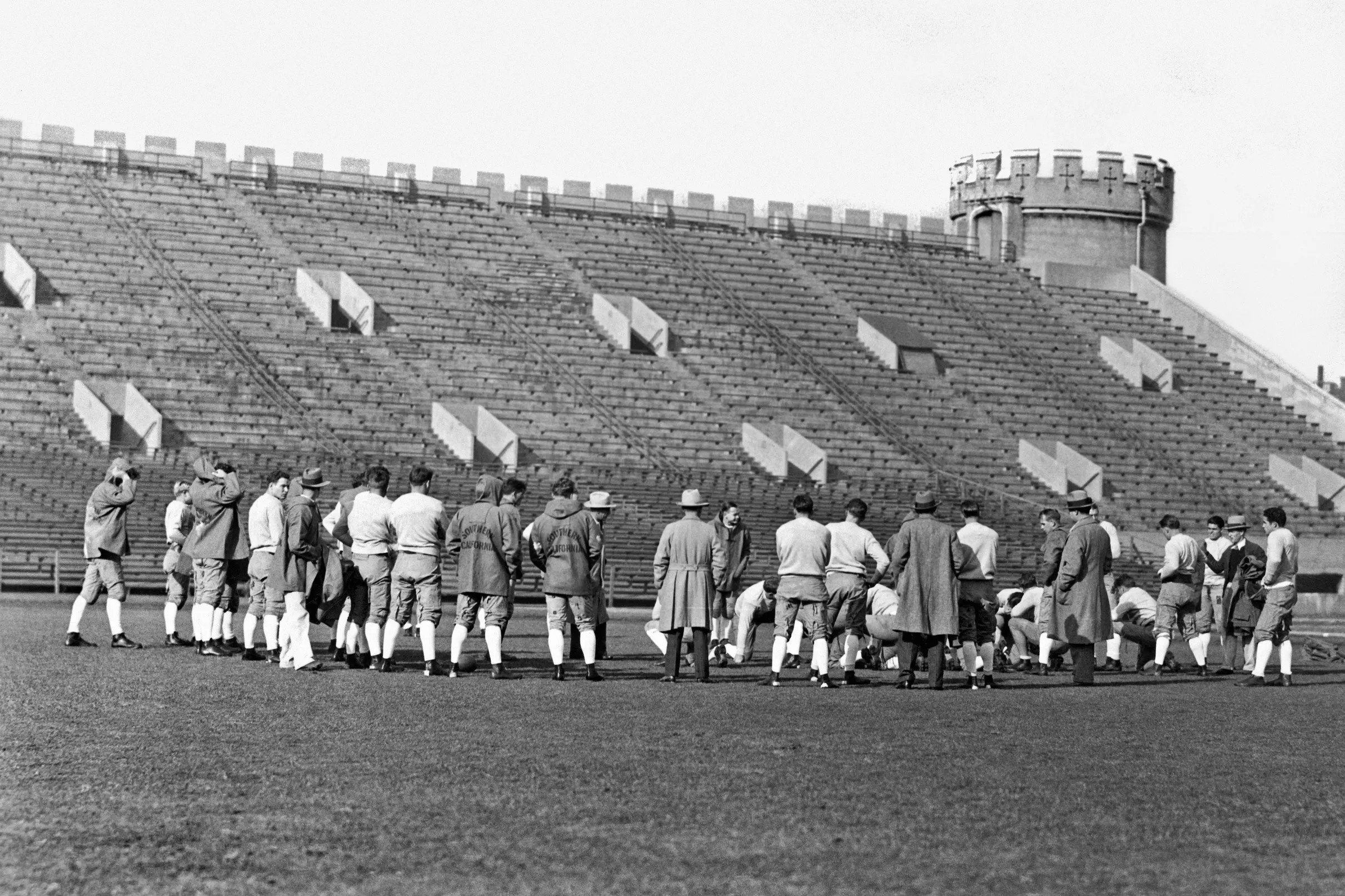
The University of Notre Dame's successful football program provided the financial stability to continue campus expansions during the Depression. Sollitt Construction capitalized on this opportunity by constructing one to two buildings annually on the Notre Dame campus. This consistent workload was instrumental in maintaining the company's operations when many others faced economic hardships.
Leveraging the stability from their Notre Dame projects, Sollitt expanded into other significant areas:
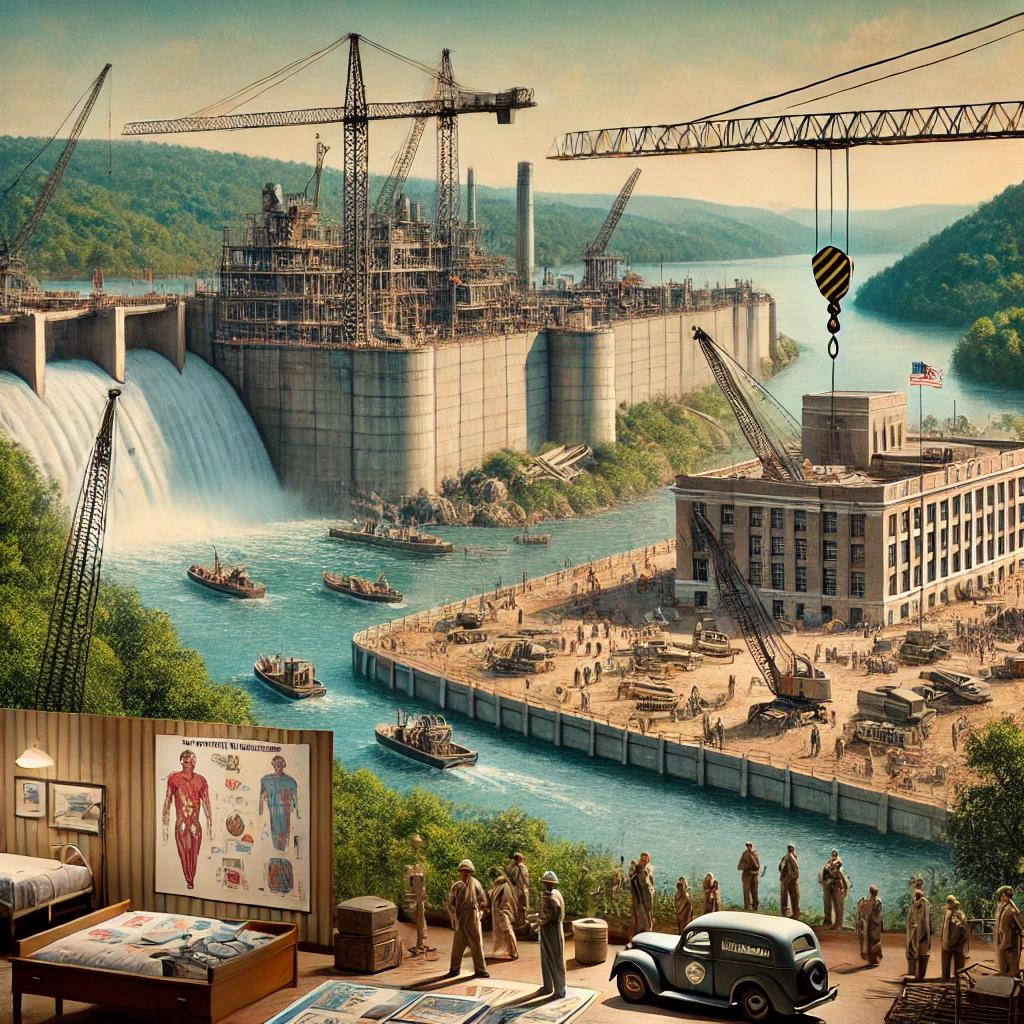
WPA Projects in Southern States: The company secured contracts through the Works Progress Administration, contributing to public infrastructure developments in the southern United States.
Specialization in Electric Power Generation: Sollitt developed expertise in constructing facilities for electric power generation, further diversifying their portfolio and enhancing their industry reputation.
In 1929, Sollitt Construction Company formed a strategic partnership with the University of Notre Dame, leading to regular campus construction projects. This alliance provided economic resilience during the Great Depression and facilitated the company's expansion into WPA projects and the electric power generation sector.
Links to Learn More
University of Notre Dame Campus History
Explore the architectural evolution of Notre Dame's campus.
What to See: Tour the historic campus to view buildings constructed by Sollitt during the late 1920s and 1930s, including the iconic Notre Dame Stadium.
2. WPA-Era Structures in the Southern United States
What to See: Visit public buildings and infrastructure projects funded by the WPA, showcasing the architectural and engineering advancements of the era.
Example: The River Walk in San Antonio, Texas, is a notable WPA project.
3. Museum of Science and Industry (Chicago, Illinois)
What to See: Exhibits on the history of electric power and industrial advancements during the early 20th century.